Scaffold Safety Inspections in Bristol: When to Arrange Checks for Domestic, Commercial and Long-Term Scaffolds
If you need scaffold safety inspections Bristol homeowners, landlords, contractors and site managers can arrange with confidence, timing matters. A scaffold that looked suitable at the start of a job may need checking again after changes, poor weather or a longer hire period. Whether the structure is supporting roof repairs on a house, ongoing access at a commercial property or a longer-term project with several trades involved, arranging inspections at the right stage can help reduce delays and give everyone clearer confidence in the setup.
At Lala Scaffolding, we provide practical, reliable scaffolding solutions across Bristol for smaller domestic jobs as well as larger commercial and industrial projects. In this guide, we explain when scaffold inspections are often worth arranging, what types of situations need closer attention, and how to decide when to get professional support.
Scaffold Safety Inspections Bristol: When Should You Arrange One?
Not every scaffold stays exactly the same from day one to dismantling day. Access needs can change, trades can request adjustments and the weather can affect how a structure is being used. That is why inspections are often most important at key points during the life of the scaffold, not just when it first goes up.
Before the scaffold is first used
One of the most important stages is right at the beginning. Before roofers, builders, decorators or maintenance teams start work, it is sensible to make sure the scaffold has been checked and is ready for use in line with the planned job.
This matters on simple domestic scaffolds as much as larger commercial access arrangements. Even if the structure looks straightforward from ground level, the working platforms, access points and overall layout still need to suit the work being carried out.
After changes, extensions or partial dismantling
Scaffolds often evolve during a project. A lift may be added, access may be moved, one area may be removed while another is extended, or the working height may change as the job progresses. When that happens, it is worth arranging a fresh inspection rather than assuming the original setup still suits the revised work.
This is especially common on phased refurbishments, roofline repairs, loft conversions and building projects where different trades need access at different times.
After high winds or other poor weather
Bristol weather can change quickly, particularly on exposed sites or taller elevations. If a scaffold has been through strong winds or other conditions that may affect how it is used, arranging a check is a sensible step before work continues.
For property owners, this can be particularly relevant when a scaffold has been left standing over a weekend, through a stormy spell or during a pause in the project.
When the scaffold will stay in place for a longer period
Longer-term scaffolds need more attention than short, single-visit access jobs. The longer a scaffold remains in place, the greater the chance that site conditions, user needs or surrounding activity may change. That does not automatically mean there is a problem, but it does mean regular reviews are important.
If your scaffold is supporting a long programme of roof work, refurbishment, commercial maintenance or staged external repairs, it is wise to discuss an inspection plan early rather than waiting until a concern is raised.
After any impact, concern or unusual site activity
Sometimes the trigger is obvious. Materials may have been moved in a way that affects access, another trade may have interfered with part of the structure, or someone on site may simply be unsure whether the scaffold still feels right for the work.
In those situations, it is better to ask the question early. A prompt inspection can help identify whether the scaffold is still suitable, whether adjustments are needed or whether work should be paused until the setup is reviewed.
Inspection Considerations for Domestic, Commercial and Long-Term Scaffolds
Domestic scaffolds
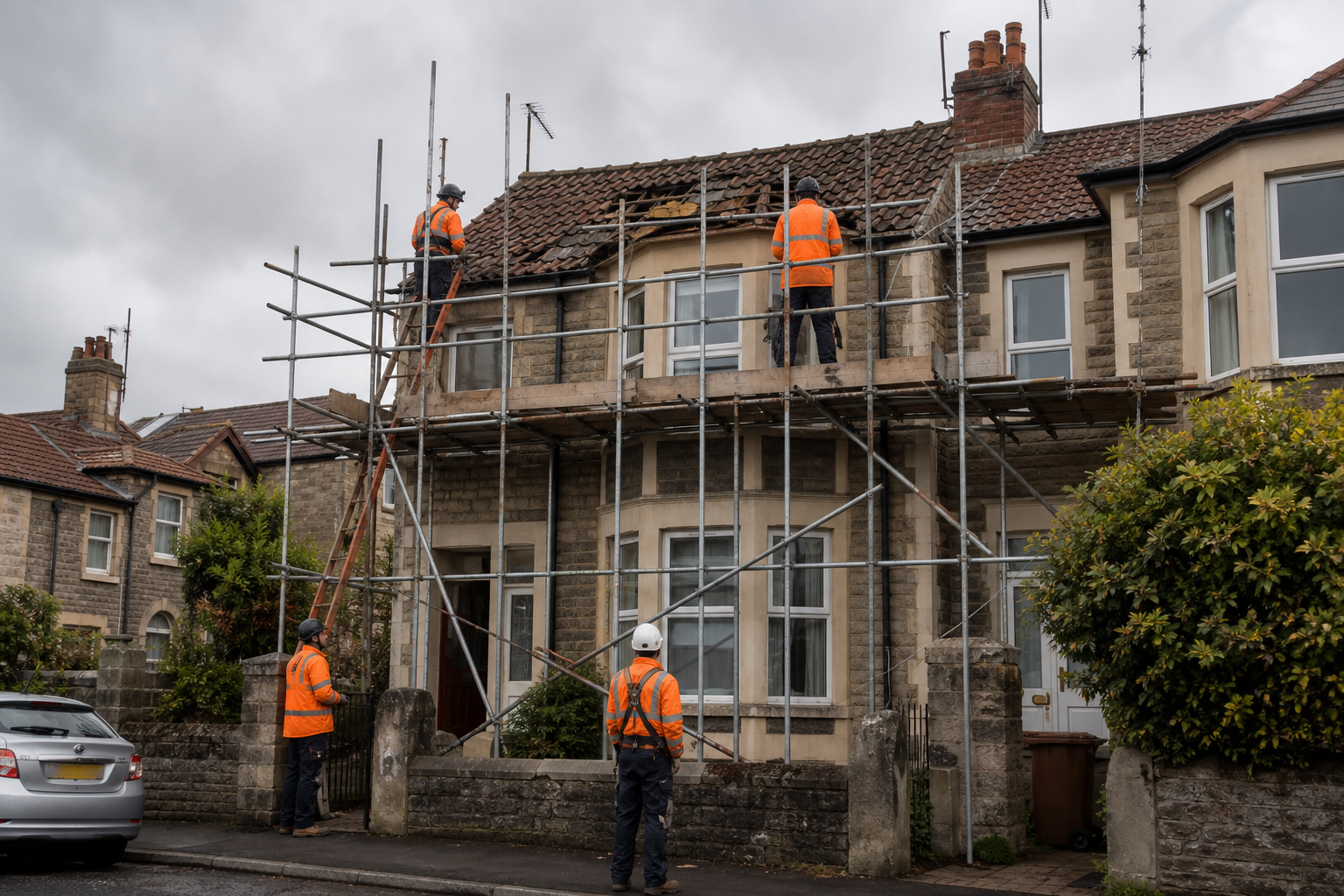
For homeowners and landlords, scaffold inspections are often needed when a property project runs longer than expected or changes once work starts. Roof repairs, chimney work, guttering, rendering, window replacement and exterior decorating can all involve access that remains in place longer than originally planned.
If you have arranged domestic scaffolding in Bristol, it is worth thinking about inspections whenever the scope of the work changes, another trade joins the job, or the scaffold stays up beyond the initial short-term stage.
This is also important on loft conversions and house extensions, where access may need to support several phases of work rather than one quick visit.
Commercial scaffolds
Commercial sites can be more complex because there may be more users, more movement around the building and more coordination between contractors. A scaffold on a shopfront, office building, school, warehouse or mixed-use premises may need reviewing as site activity changes or different parts of the structure come into use.
Where a project involves broader access planning, our team can also support commercial scaffolding in Bristol for local businesses and contractors who need dependable, practical access solutions.
On commercial jobs, it is particularly important to raise inspection requests quickly if there have been changes to access routes, working lifts or the sequence of the works.
Long-term scaffolds
Long-term scaffolds are not always large, but they do need careful oversight. A domestic scaffold left up for ongoing repairs can need just as much attention as a more obviously complex commercial structure. The key issue is duration. The longer the scaffold is in place, the more important it becomes to keep reviewing whether it still matches the work and the site conditions.
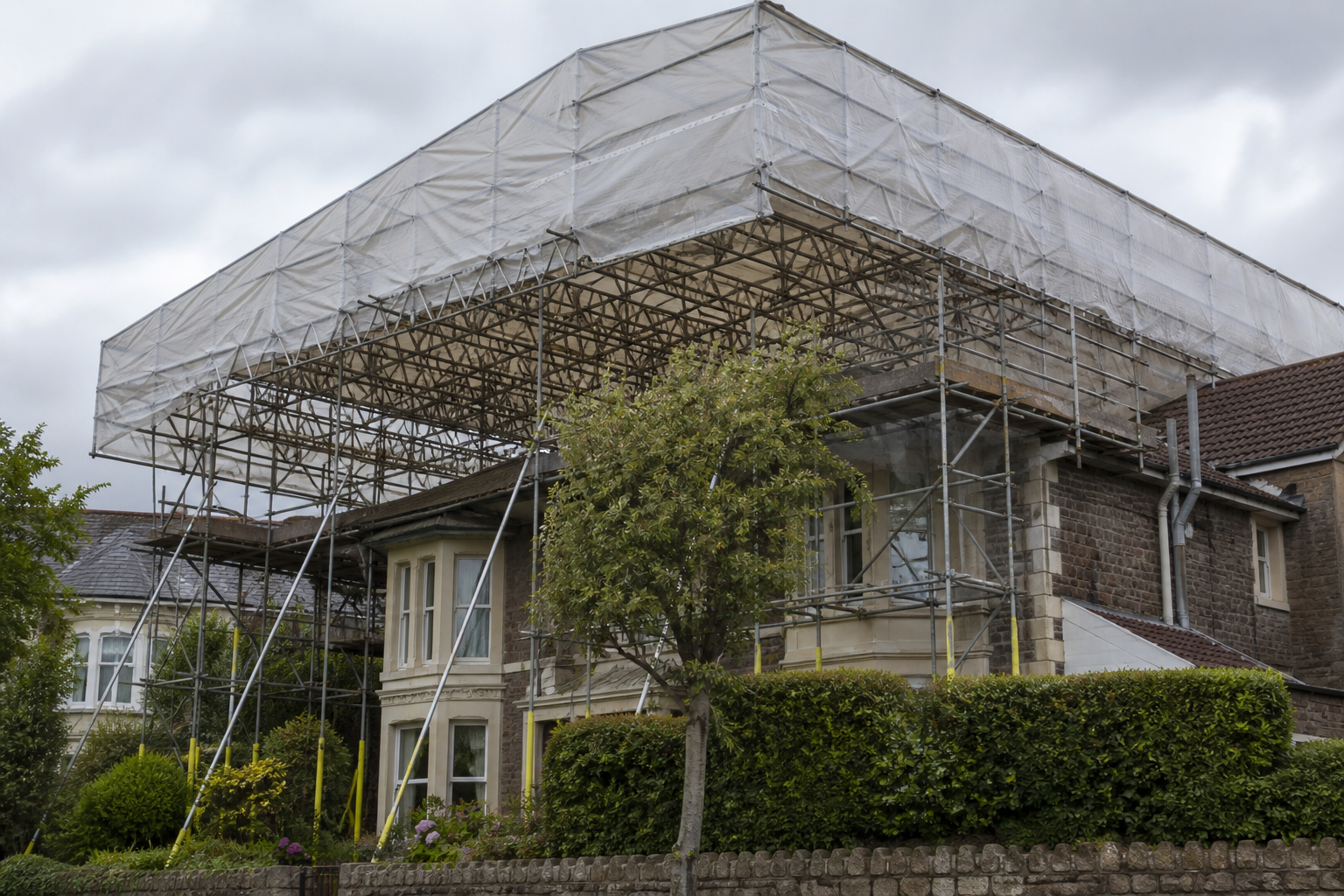
This often applies to projects involving extended roof works, staged external renovations or weather protection. If your project also needs cover from the elements, we can help with temporary roof installation in Bristol alongside practical access planning.
What a Scaffold Inspection Can Help Identify
An inspection is not just a box-ticking exercise. It is a practical review of whether the scaffold still appears suitable for the job it is supporting. Depending on the setup, an inspection can help highlight issues such as:
Changes to the way the scaffold is being used
Areas that may have been altered since erection
Access points that no longer suit the current stage of the work
Platforms or working areas that need attention before trades continue
Concerns raised after wind, delays or a pause in the project
Whether the scaffold still fits the scope of a longer-running job
Whether a further adjustment or follow-up visit is worth arranging
For homeowners and contractors alike, that kind of review can help avoid confusion, wasted time and the bigger disruption that comes from discovering access issues after trades have already arrived on site.
Why Bristol Clients Choose Lala Scaffolding
When you are arranging an inspection, you want clear communication and practical advice, not unnecessary complications. Lala Scaffolding is a small, Bristol-based company with a tight-knit team focused on delivering fast, dependable service for smaller domestic jobs as well as larger commercial and industrial projects.
Our approach is straightforward. We focus on reliable service, clear pricing and flexible scheduling, helping customers across Bristol and nearby areas arrange scaffolding support that suits the real needs of the job. That includes front-and-back domestic scaffolds, low towers, temporary roofs, access scaffolding and scaffold safety inspections.
If you are unsure whether your current setup needs reviewing, we can talk through the type of scaffold you have, how long it has been in place and what has changed since installation.
How to Decide Whether to Book an Inspection
If you are on the fence, a simple checklist can help. It is usually worth discussing an inspection if one or more of the following applies:
The scaffold is about to be used for the first time.
The job has changed since the scaffold was erected.
Part of the structure has been altered, extended or reduced.
The scaffold has been exposed to poor weather while standing.
The project is running longer than expected.
Multiple trades are using the scaffold over different stages.
Anyone on site has concerns about whether the setup still suits the work.
That applies equally to domestic properties, commercial premises and longer-term hires. If access is still needed but the project no longer looks the same as it did on day one, it is a good time to ask for professional input.
Book a Scaffold Safety Inspection in Bristol
If your scaffold has been up for a while, has recently changed or has been exposed to poor weather, now is the right time to review it. At Lala Scaffolding, we provide practical support for homeowners, landlords, local businesses and contractors who need dependable access solutions in Bristol.
Book a scaffold safety inspection in Bristol or contact us to discuss your current setup. We are happy to talk through domestic, commercial and longer-term scaffolds and help you decide the most sensible next step for the job.
Frequently Asked Questions
When should a domestic scaffold be checked?
A domestic scaffold is worth discussing for inspection before first use, after changes, after bad weather and whenever a job runs longer than expected. If roof repairs, chimney work or exterior improvements have evolved since the scaffold was erected, a review can help confirm the setup still suits the work.
Do commercial scaffolds need more regular inspections?
Commercial scaffolds can need closer attention because they often involve more users, phased work and changing access needs. The right timing depends on the job, the duration and whether anything has changed on site, so it is best to discuss the current arrangement rather than rely on assumptions.
What counts as a long-term scaffold?
There is no single rule that fits every project, but in practical terms a long-term scaffold is one that remains in place across an extended programme rather than a short access visit. If the scaffold is supporting several stages of work or staying up while the project evolves, regular reviews become more important.
Should a scaffold be inspected after wind or a storm?
If a scaffold has been exposed to high winds or other conditions that may affect how it is being used, arranging a check is a sensible precaution before work continues. This is especially relevant where the scaffold has been left standing for several days or is on an exposed elevation.
Can Lala Scaffolding help with inspections as well as scaffolding hire?
Yes. We provide scaffold safety inspections alongside practical scaffolding solutions in Bristol, including domestic scaffolding, temporary roofs, low towers and access support for commercial and industrial projects. If you are not sure what level of inspection or access support you need, contact us and we can talk it through.
Conclusion
Scaffold inspections are easiest to arrange before small concerns become bigger delays. If the structure is new, has changed, has been through poor weather or is staying in place for an extended period, a professional review is often the right call.
For scaffold safety inspections in Bristol, Lala Scaffolding offers a straightforward, reliable service backed by local knowledge and a practical approach. Get in touch to discuss your current scaffold and arrange the right support for your project.